· Dr. Dénes Bartha · Guides · 4 min read
What is hands-on coding? A parent's guide
Hands-on coding lets children learn to program by arranging physical objects instead of typing on a screen. Here is what it is, why it works, and how to start.
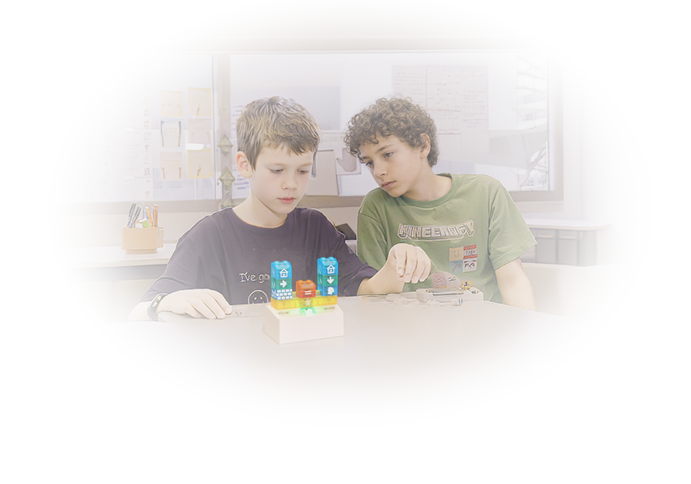
If you have looked into ways to introduce a young child to programming, you have probably seen the phrase hands-on coding. It sounds appealing, but what does it actually mean, and is it more than a marketing label? This guide explains the idea in plain terms.
A simple definition
Hands-on coding is a way of learning to program by physically arranging objects instead of typing instructions on a keyboard. Each object stands for a real programming command. A child builds a program by placing those objects in order, then runs it and watches what happens.
The key shift is that the program becomes something a child can hold, move, and rearrange with their hands. The logic lives in the physical world first, before it ever lives on a screen.
Why it works for young children
Children between the ages of 4 and 10 learn an enormous amount through their hands. They build, sort, stack, and rearrange long before they read fluently or type. Hands-on coding meets them where they already are.
A few reasons it tends to work well:
- No reading barrier. Commands are shown as icons and shapes, so a child who cannot yet read can still build a working program.
- Immediate cause and effect. The child changes the order of the pieces, runs the program, and sees the result. That tight feedback loop is how young children learn best.
- Mistakes are cheap and visible. When a program does not do what was expected, the child can see the sequence in front of them and fix it by moving a piece. This is debugging, introduced gently.
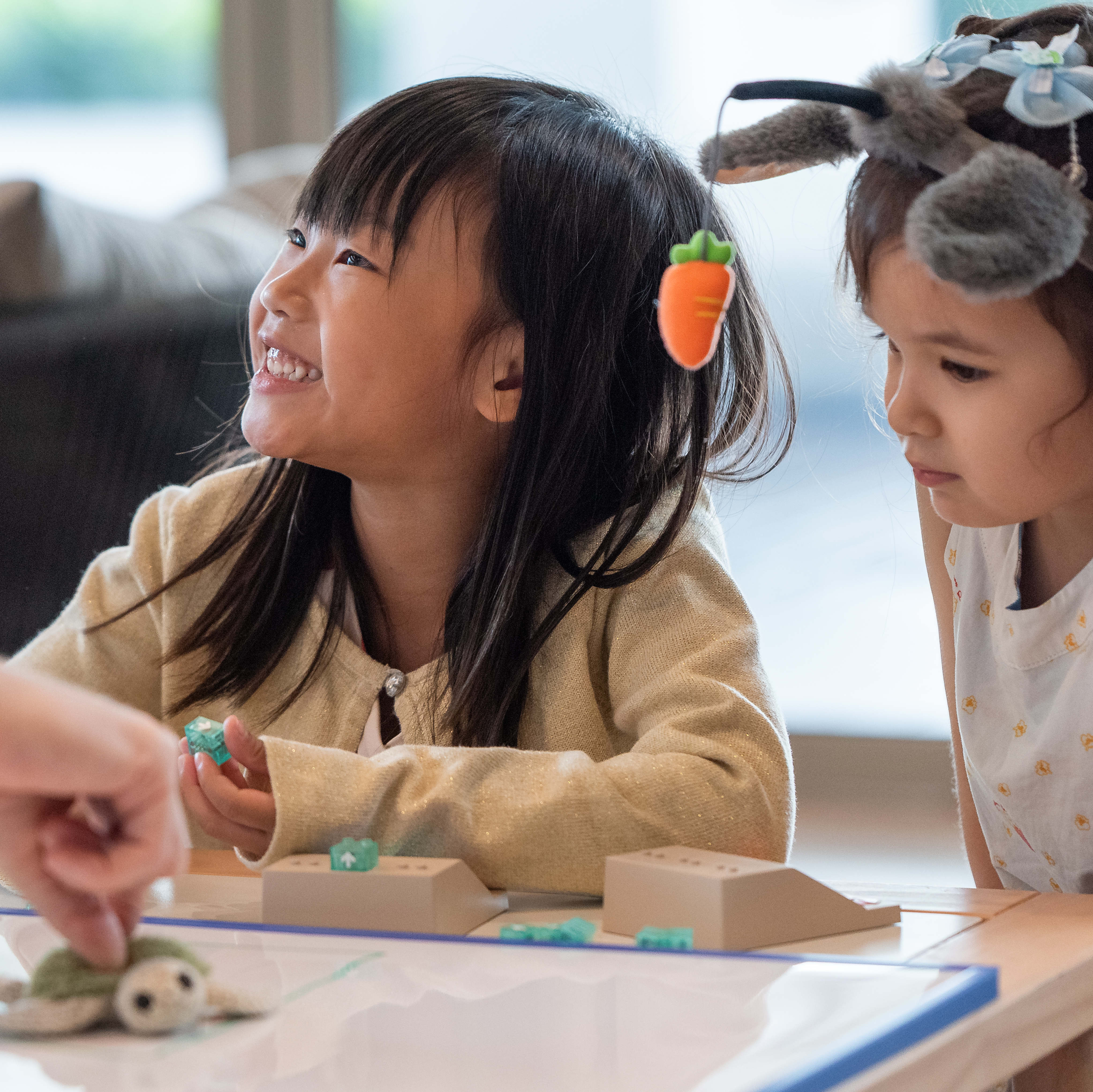
- It is social. Two children can lean over the same set of pieces and reason about them together, which is harder to do when one child controls a mouse.
The research behind it
Hands-on coding is not a recent fad. Its roots go back to the educational researcher Seymour Papert and the LOGO language in the late 1960s, and to the broader idea of constructionism, which holds that children learn most deeply when they are actively building something meaningful. That tradition runs through decades of work on learning through making, and into today’s CSTA K-12 computer science framework used in schools.
In other words, the instinct that children should learn computing by doing rather than by watching has a long and well-studied history.
What children actually learn
Done well, hands-on coding teaches the same foundational ideas that underpin every real programming language:
- Sequencing: doing steps in the right order
- Loops: repeating a set of steps
- Conditionals: doing something only when a condition is true
- Variables: storing and changing a value
- Functions: naming a group of steps so they can be reused
These are not watered-down concepts. They are the genuine building blocks of computational thinking, introduced in a form a young child can grasp.
How to start at home
You do not need to be a programmer yourself. A good starting point is a single clear task, such as moving a character from one spot to another. Let the child build a short sequence, run it, and see whether it works. If it does not, resist the urge to fix it for them. Ask what they think went wrong and let them rearrange the pieces. That moment of figuring it out is where the learning happens.
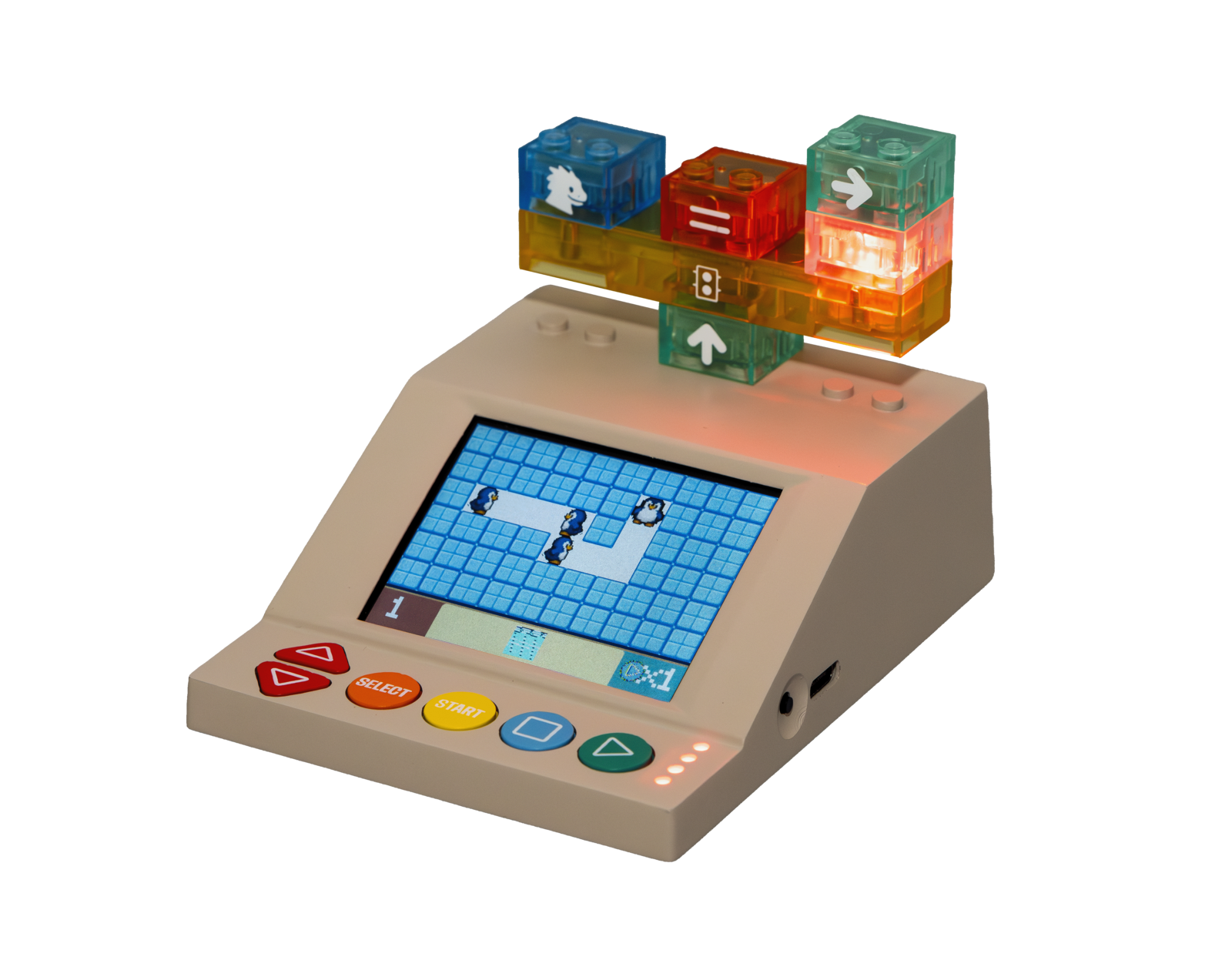
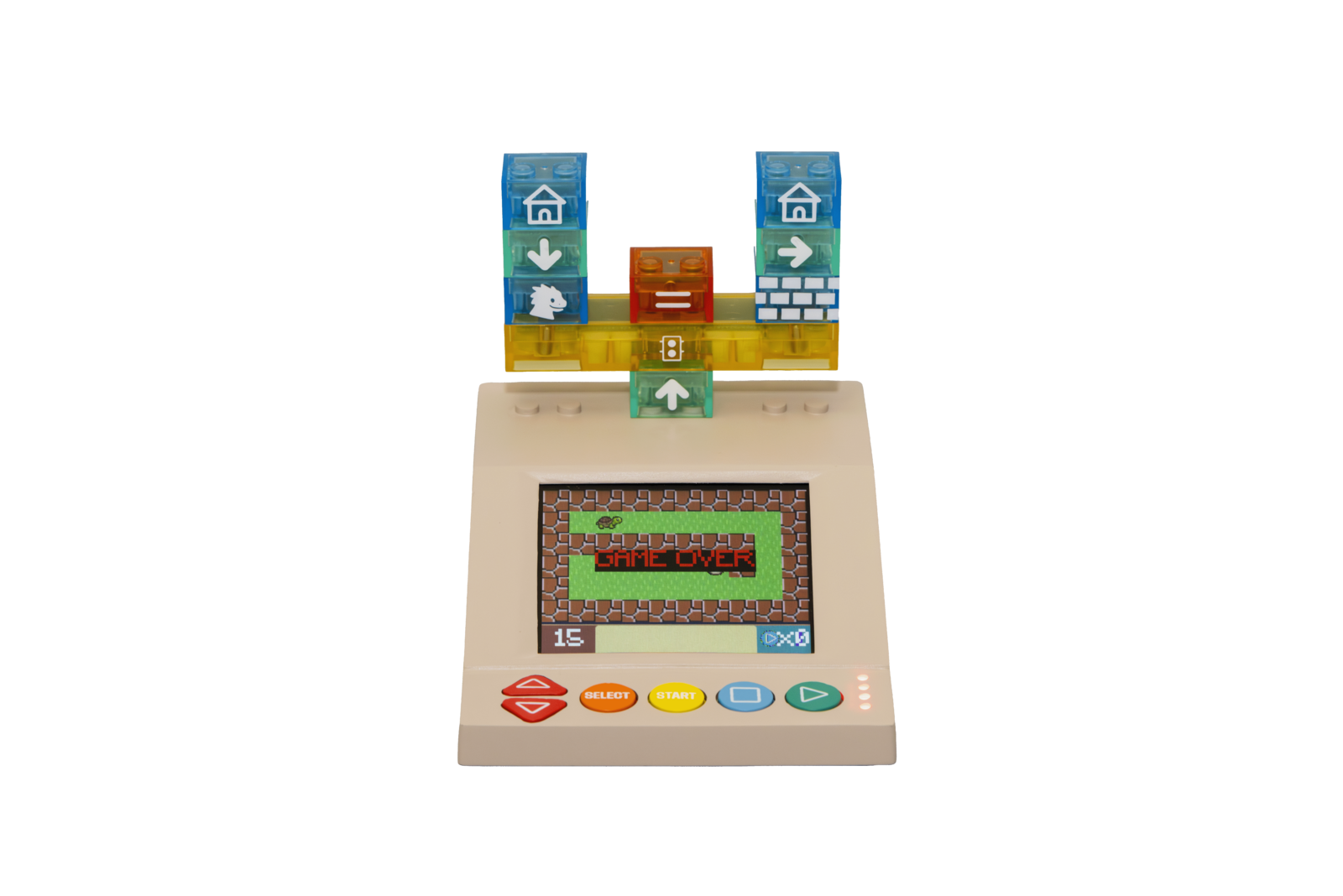
The DrBartha Coding Kit is built around exactly this approach. Children snap together magnetic bricks, where each brick is a real programming command, and run their program on a small handheld console with no phone, tablet, or computer needed. You can see how it works in our tutorials, or order a kit to get started.
The bottom line
Hands-on coding is a genuine, research-backed way to teach the foundations of programming to children who are far too young to type code. It turns abstract logic into something a child can hold, and it grows naturally into the same concepts professional programmers use every day.