

· Dr. Dénes Bartha · Guides · 4 min read
Screen-free coding for kids: what it actually means
Parents want their children to learn to code without more screen time. Here is what screen-free coding really means, and what to look for when the line gets blurry.
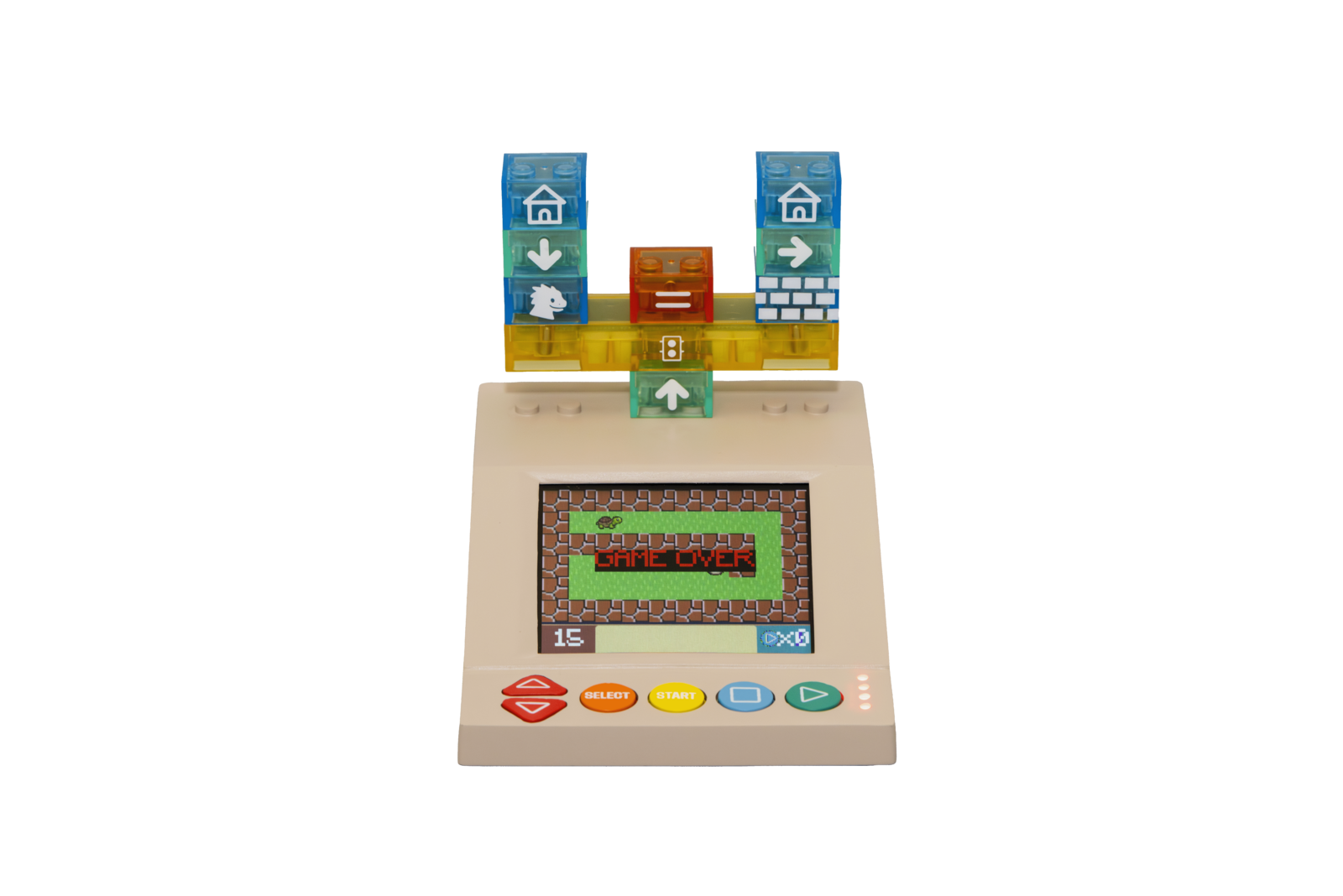
Many parents arrive at coding for their children with a specific worry: they want the benefits of learning to program without adding hours of screen time. That is the demand behind the phrase screen-free coding. It is a popular search, and also a slightly slippery one, so it is worth unpacking honestly.
What parents mean by screen-free
When parents look for screen-free coding, they are usually not making a literal claim about whether any light-up display exists anywhere. They mean something more practical:
- No passing a phone or tablet to the child
- No app to install, no account to manage, no notifications
- Learning that happens with hands and physical objects, not by tapping a glass rectangle
- An activity that does not pull the child into the same device they already spend too long on
So the real test is not “are there zero pixels involved” but “does this replace screen time or add to it?”
Where the line gets blurry
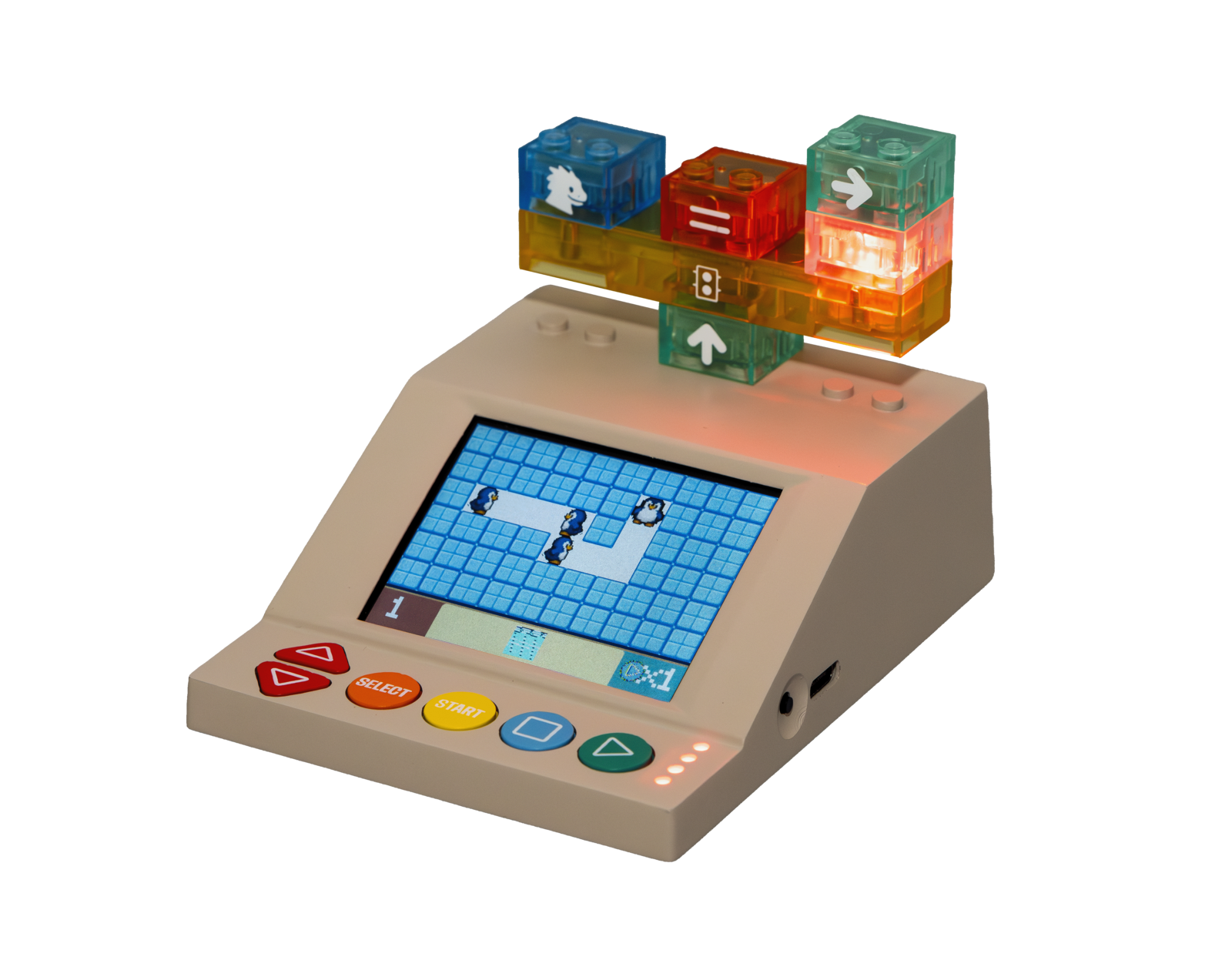
Here is the honest part. Some products marketed as screen-free still depend on a tablet app to function. Others have a small built-in display that shows what a program is doing. Does a tiny output screen disqualify a toy from being screen-free?
We think the useful question is different. A small display that simply shows the result of a program the child built with their hands is not the problem parents are trying to avoid. The thing parents want to remove is the interactive consumer screen: the phone or tablet that demands attention, serves content, and becomes the activity itself.
A good rule of thumb when you evaluate any coding toy:
- Can the child build and run a program without a phone, tablet, or computer in their hands?
- Is the screen, if any, only showing the outcome of the child’s own work?
- Does the child spend their time touching physical pieces rather than tapping a display?
If the answers are yes, the product delivers what screen-free coding shoppers actually want, even if a small output display exists.
Why reducing screen time matters here
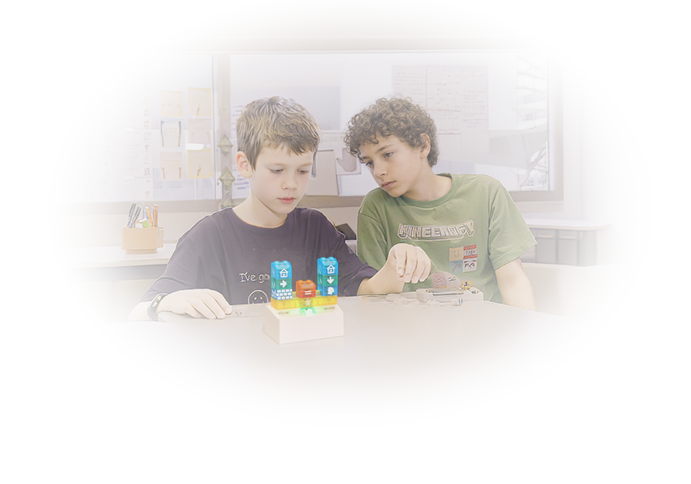
Pediatric guidance has long encouraged limiting recreational screen time for young children and protecting time for hands-on, social, and physical play. Coding does not have to work against that. Done with physical materials, learning to program can be the kind of focused, tactile, shared activity that parents are happy to add more of.
The benefit is twofold. The child gains real computational thinking skills, and they gain them in a format that supports, rather than competes with, healthy habits around devices.
What to look for
When you shop for screen-free coding, look for:
- Physical, manipulable pieces that represent commands
- No required app for everyday use
- Self-contained operation so the toy works on its own
- Room to grow, so the child is still learning a year or two later rather than having outgrown it
How DrBartha approaches it
The DrBartha Coding Kit is built so that everyday play needs no phone, tablet, or computer. Children program by snapping together magnetic bricks, where each brick is a real command, and the kit runs their program on its own handheld console. It has a small display that shows what the program does, but the thinking and the building happen entirely in the child’s hands. A companion app exists only for occasional firmware updates, not for daily use.
If you want to see exactly what a child sees and does, our tutorials walk through it step by step, and you can order a kit when you are ready.
The bottom line
Screen-free coding is best understood as coding that does not hand a child a phone or tablet. A small output display is not the enemy. The goal is to keep the learning physical, social, and self-contained, and that is entirely achievable.