· Dr. Dénes Bartha · Guides · 4 min read
The coding concepts young children can really learn
Sequencing, loops, conditionals, variables, and functions are not just for professionals. Here is how each one can be introduced to a child, and in what order.
There is a common assumption that young children can only handle the most basic ideas in coding, and that the real concepts have to wait until they are older. That assumption is wrong. With the right approach, children can genuinely understand the core building blocks of programming. The trick is the order you introduce them in, and the form you put them in.
Here are the five foundational concepts, what each one means, and how to bring it to a child.
1. Sequencing
What it is: doing steps in a specific order.
This is where every child should start. The central insight is that the order of instructions matters, and that a computer follows them literally. Move forward, then turn, then move forward again produces a different result from turn, then move, then move.
How to introduce it: give the child a goal that requires three or four steps in the right order. Let them arrange the steps, run them, and adjust. Once a child reliably gets this, they have the single most important idea in programming.
2. Loops
What it is: repeating a set of steps without building them out again.
Loops are usually the second concept, and children tend to love them because they feel like a clever shortcut. Instead of placing forward five times, the child places forward once and says repeat five times.
How to introduce it: set up a task with obvious repetition, like crossing a long row of identical tiles. The child will feel the tedium of repeating the same step, which makes the loop feel like a genuine discovery rather than a rule imposed on them.
3. Conditionals
What it is: doing something only when a condition is true.
This introduces decision making. If there is a wall ahead, turn. Otherwise, keep going. Conditionals are a real step up in abstraction, because the program now behaves differently depending on the situation.
How to introduce it: use a situation the child can see, where the right action depends on what is in front of the character. Start with a single yes-or-no decision before combining several.
4. Variables
What it is: storing a value that can change.
A variable is a named place to keep a number or piece of information that the program can read and update. Keeping a count, tracking a score, remembering how many items were collected.
How to introduce it: tie it to something the child wants to track. Counting collected items is intuitive. The child sees the number go up, and grasps that the program is remembering something.
5. Functions
What it is: naming a group of steps so they can be reused.
Functions are the most advanced of the five, and they are about organisation. Once a child has a sequence they use often, they can give it a name and call it whenever they need it, instead of rebuilding it each time.
How to introduce it: wait until the child is repeatedly rebuilding the same chunk of program. At that point a function solves a problem they actually feel, which is the best time to teach anything.
The right order matters
Notice the progression. Each concept builds on the one before it, and each is introduced when the child has a reason to want it. You do not teach loops to a child who has not yet internalised sequencing. You do not teach functions to a child who has never repeated a chunk of code by hand. The concept should arrive as the answer to a problem the child is already feeling.
A kit that covers all five
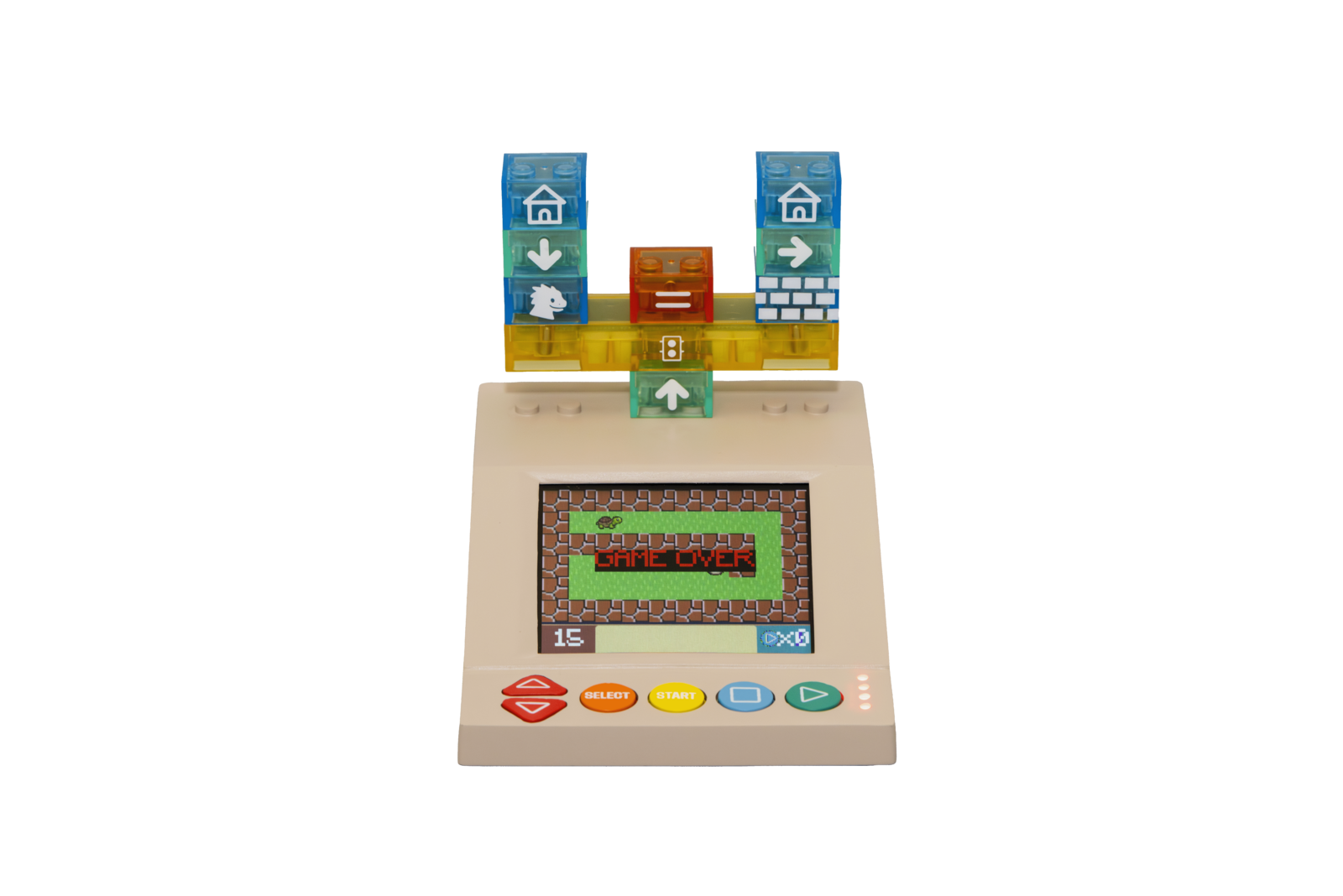
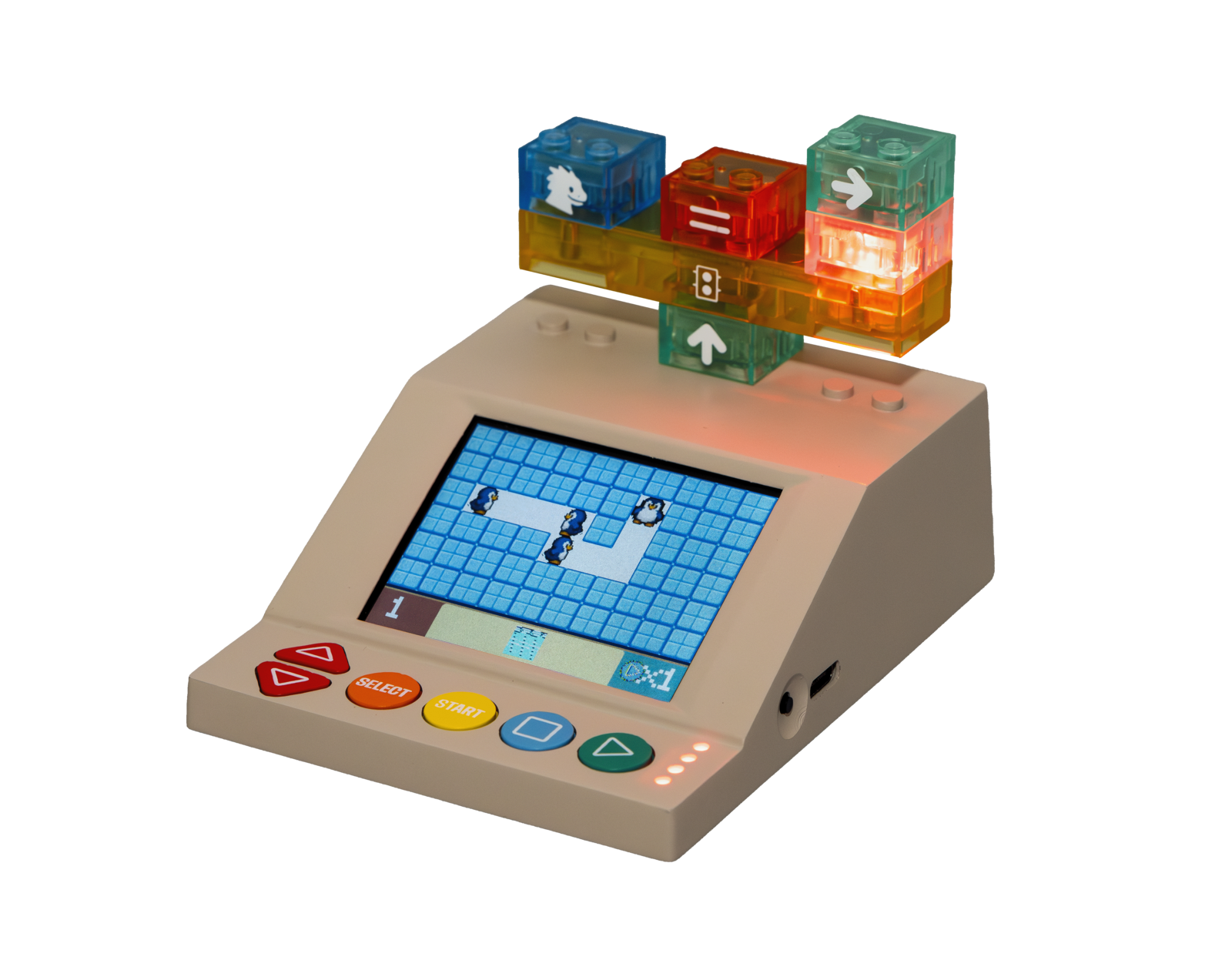
Most early coding toys stop after sequencing and simple loops. The DrBartha Coding Kit is built to span the full set. Children begin with sequencing using magnetic bricks, where each brick is a real command, and the same kit introduces loops, conditionals, variables, and functions as the child is ready, all the way from age 4 to 100. The brick language behind it is a genuine, complete programming language, so nothing the child learns is a dead end. See it in action in our tutorials, or order a kit.
The bottom line
Young children can learn all five foundational coding concepts: sequencing, loops, conditionals, variables, and functions. The key is introducing each one in the right order, in a physical form they can manipulate, and only when they have a real reason to want it.